Video SOP (Standard Operating Procedure) — Replacing Paper Manuals on the Production Floor

Video SOP (Standard Operating Procedure) — Replacing Paper Manuals on the Production Floor
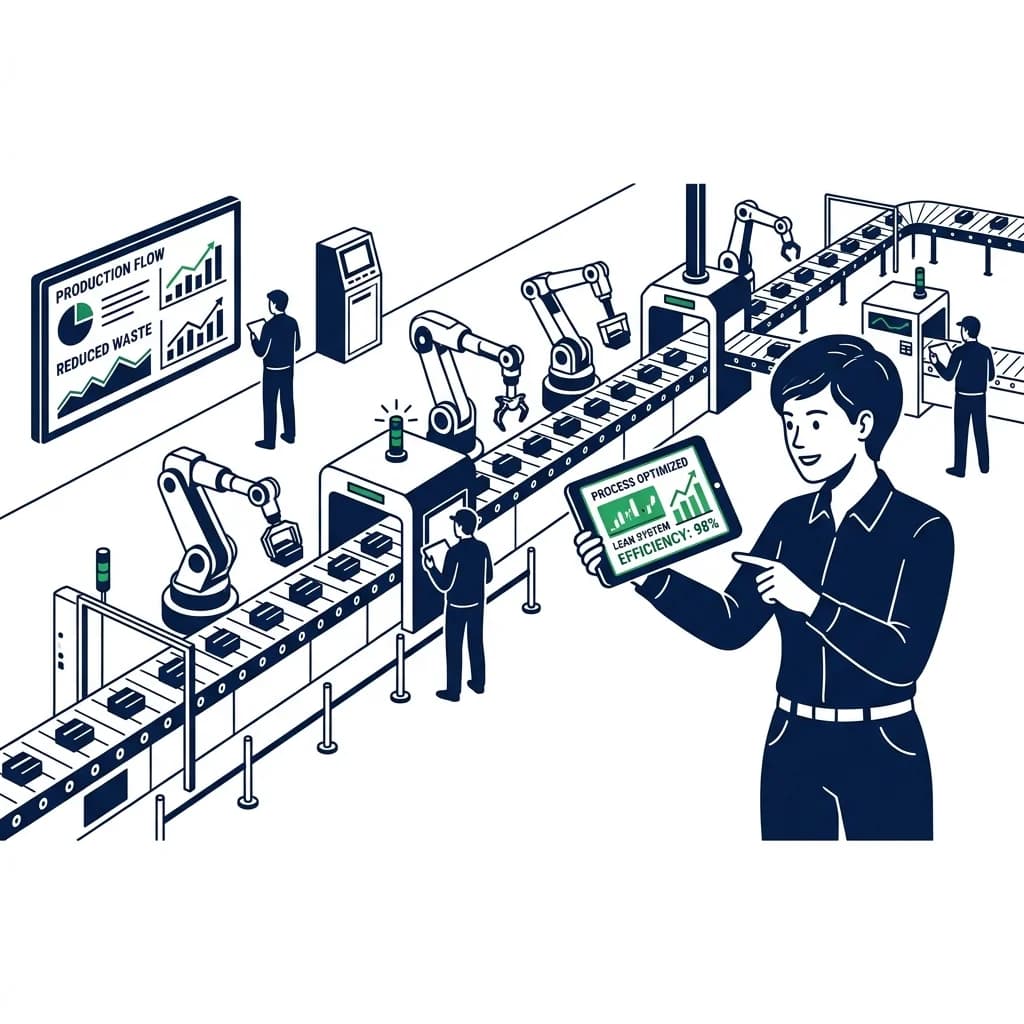
Every modern manufacturing plant aims to standardize work (Standard Work). In theory, Standard Operating Procedures (SOPs) are the tools for this. In practice, however, they are thick binders full of text and small, unreadable photos gathering dust at workstations. When a new operator or temporary worker enters the line, they rarely analyze these documents. The result? Assembly errors, line speed drops, and a rise in scrap rates.
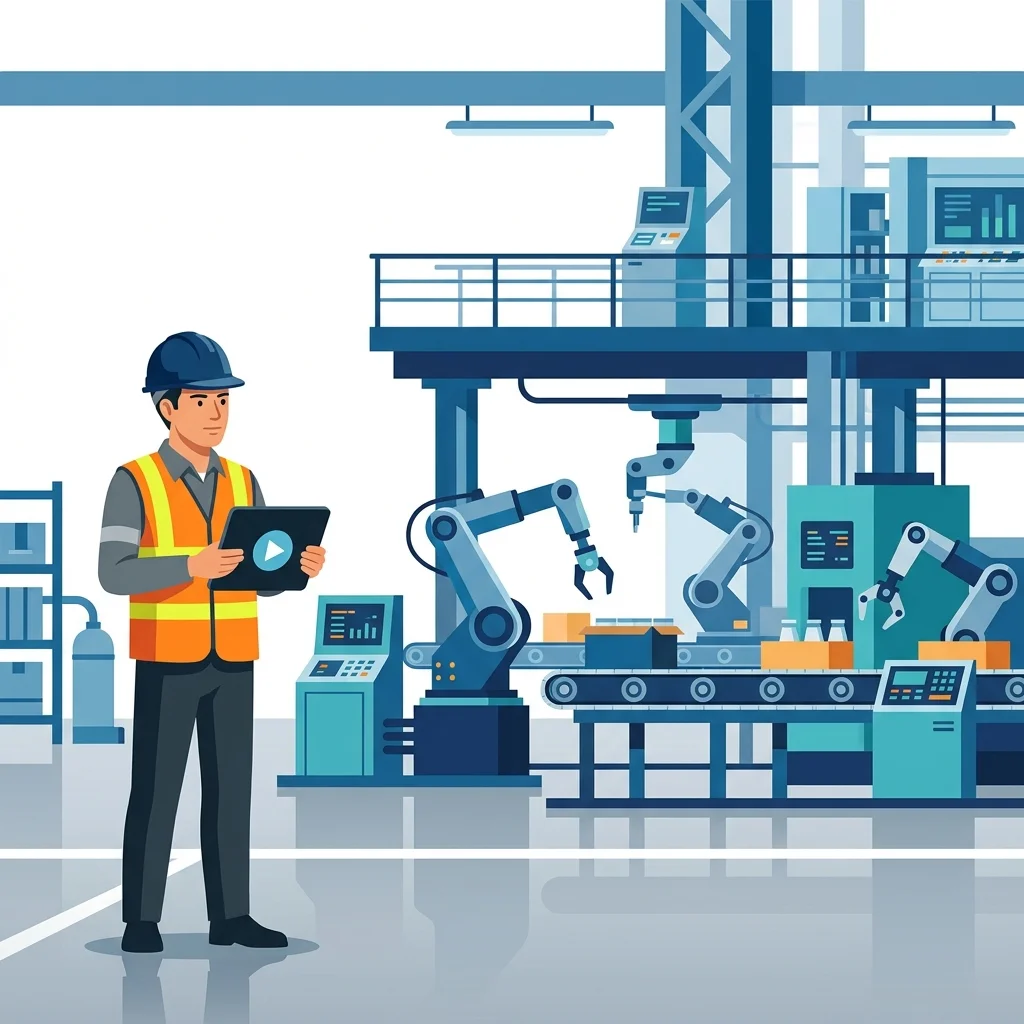
Workstation video instructions (Video SOPs) completely revolutionize knowledge transfer on production floors. They transform complex and boring procedures into simple, dynamic videos that a worker can understand in seconds.
💡 Key Takeaways (TL;DR)
- Traditional paper SOP manuals are rarely read by operators, which directly leads to assembly and setup errors.
- A Video SOP (60-90 seconds) shows the perfect execution of a task from the operator's point of view (POV), leaving no room for interpretation.
- Implementing video instructions cuts operator onboarding time by up to 70% and drastically reduces quality defects.
- Instructional videos eliminate language barriers, which is critical in production environments with multicultural workforces.
Why Paper SOP Manuals Simply Do Not Work
The human brain processes visual information 60,000 times faster than text. Despite this, most factories still rely on text-heavy workstation instructions. Here is why they fail:
- Lack of engagement: Operators would rather guess how to assemble a part than find and read a 20-page technical binder.
- Language barriers: Translating complex technical terminology into multiple languages is difficult, slow, and expensive.
- Ambiguity: Photos in paper documents do not show motion. They cannot show the angle at which to insert a component or the precise force required to tighten a bolt.
Video solves these problems. It shows movement, direction, tools, and precise physical gestures in real time.
How Implementing Video SOPs Translates into Financial Savings
Drastically Reduced Onboarding Times
Instead of assigning an experienced operator as a full-time trainer for several days, a factory can install workstation screens. The new hire watches a short video showing their exact task and starts working independently much faster. This frees up the time of team leaders and high-performing operators.
Lower Scrap Rates
An assembly mistake in the automotive or electronics industry can cost thousands. When an operator has a screen with a looped video instruction of a critical assembly step right in front of them, the risk of error drops to nearly zero.
Easier Workstation Rotation
Employee flexibility (Multi-skilling) is a core pillar of Lean. With video instructions, an operator from another line can quickly refresh their memory of a changeover or a task at a new station—simply by watching the assigned video.
How to Create an Effective Video SOP
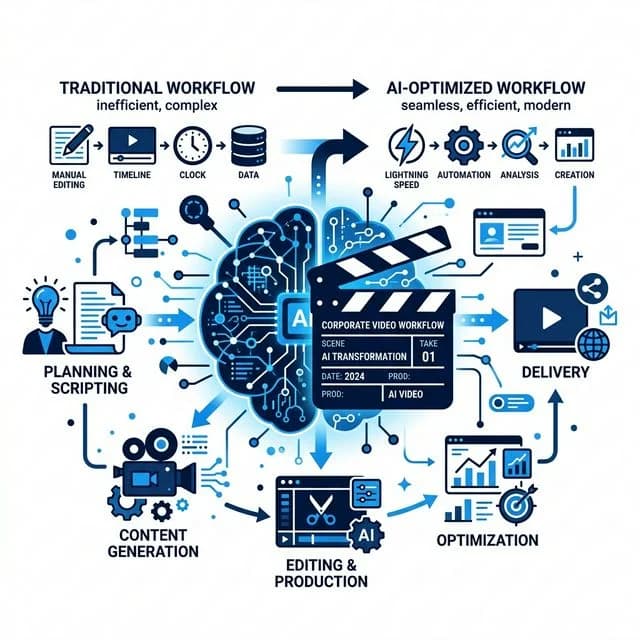
For an SOP video to be effective, it must be created according to visual learning principles:
- Keep it under 90 seconds: The video must not be long. Break processes down into small, logical steps (e.g., one video per workstation).
- Operator's Point of View (POV): The camera should show the task from the perspective of the worker performing it (over-the-shoulder or via chest/head mounts).
- Close-ups and graphic overlays: Highlight critical steps (like the correct click of a fastener) using macro shots and graphic symbols (green checkmark/red X).
- Clear visuals, minimal noise: Factories are loud, making audio instructions hard to hear. A good video SOP relies on clear footage, animated text, and simple voiceovers (or no voice at all, relying on visual cues).
Case Study:
A household appliance assembly plant with a 25% annual employee turnover rate took an average of 8 working days to train new operators. During training, line efficiency dropped by 15%, and mistakes in assembling small gaskets were frequent.
We replaced 12 workstation binders with tablets mounted at the line. We produced 12 short POV videos (each 50-70 seconds long) showing the precise assembly sequence with graphical callouts for critical quality zones.
Initial training time was reduced from 8 days to just 2 days. The productivity of newly onboarded workers increased by 20% in their first week compared to the old method. Gasket assembly errors were completely eliminated.
The Role of Professional Video Production in Factory Standardization
While recording video seems easy, amateur videos shot on smartphones often suffer from poor angles, bad lighting, and shaky footage, making them hard to follow. Professional video production ensures stable shots, proper lighting of dark machine cavities, and clean graphics (arrows, highlights, text overlays), making instructions clear in a noisy, fast-paced factory environment.
Want to replace paper manuals with modern video SOPs and cut onboarding times in your plant? Call: +48 663 393 700 or email us at info@semastudio.pl — let’s design and build a video SOP system for your production line.